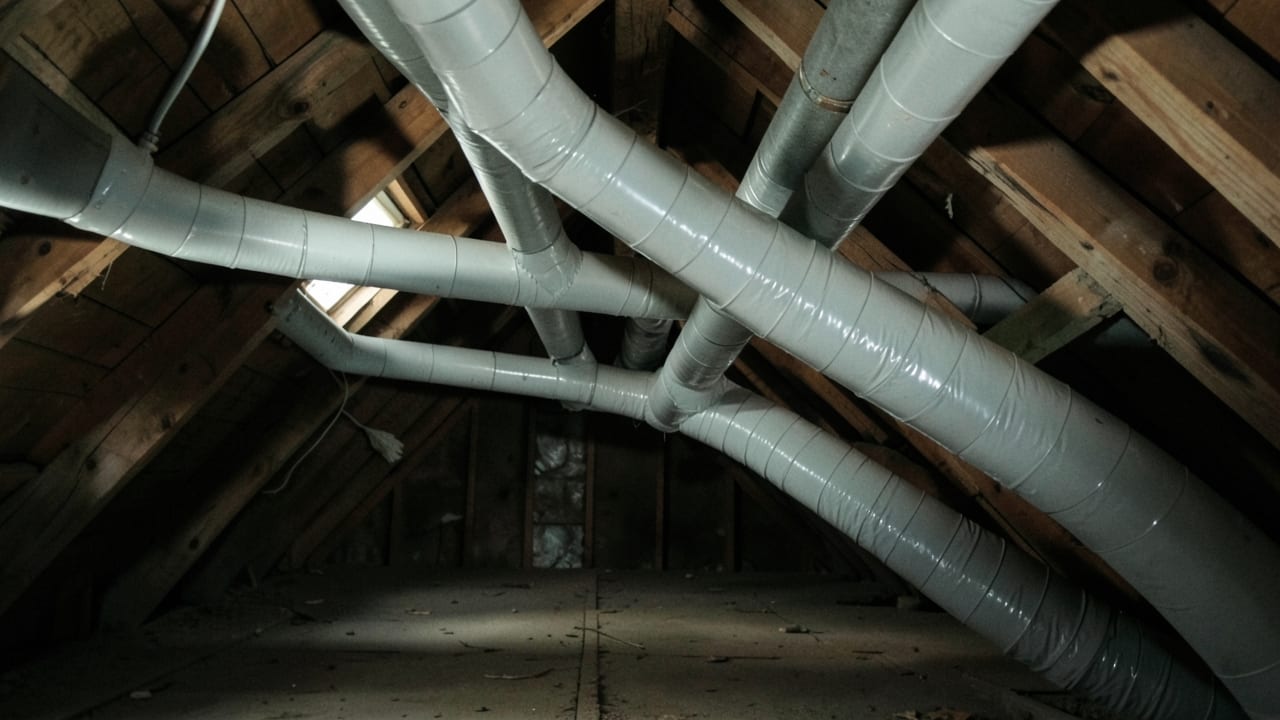
Pest Infestation Duct Sanitization
Professional cleaning and sanitization of air ducts to remove pest infestations and contaminants.
Pest infestation duct sanitization in Morristown, NJ addresses hidden contamination left by rodents, insects, or other pests in your home’s HVAC system. The process combines thorough cleaning, debris removal, and sanitizing treatments to restore air quality and reduce health risks from trapped organic matter, dust, and allergens in ductwork.
Signs your ducts need sanitization
Pest infestations often leave behind more than just droppings or nests—they introduce dust, allergens, and biological debris deep into your ductwork. Look for visible signs like a fine gray film at supply vents, dust settling unevenly across rooms, or a musty smell that fades once the HVAC shuts off.
We also handle Warehouse Duct Cleaning and Medical Clinic Duct Cleaning for Morristown properties.
These clues suggest trapped contaminants are being pushed into living spaces every time the system runs.
Rooms that collect dust faster than others, or where dust reappears within days of cleaning, may indicate active redistribution from the ducts. A thorough inspection can pinpoint whether the issue stems from pest-related buildup or other sources like poor filtration or gaps in ductwork connections.
Common Signs of Pest-Infested Ducts
- A visible gray film or buildup on supply vent grilles that reappears quickly after cleaning
- Dust settling unevenly—heavier near supply vents than in other parts of the room
- A musty or stale odor that appears only when the HVAC system is running
- Dust or debris blowing out of vents shortly after the system turns on
- Increased allergy or respiratory symptoms among household members
What affects pricing and timing?
The cost and frequency of pest infestation duct sanitization depend on factors like the extent of contamination, the layout of your ductwork, and how quickly new debris enters the system. Unlike general duct cleaning, sanitization may require additional steps—such as targeted treatments for biological residues—which can influence the total cost.
Industry guidance on how often to repeat the service varies widely, but local conditions in Morristown, NJ, often dictate a schedule tailored to your home’s specific challenges.
Maintaining your HVAC system between cleanings—such as changing filters regularly and sealing duct gaps—can extend the time between sanitizations. However, pest-related contamination may require more frequent attention, especially in homes with a history of rodent or insect activity.
What to expect during the service
A thorough sanitization begins with a camera inspection to identify concentrated areas of debris or biological growth. This step ensures targeted cleaning rather than a one-size-fits-all approach.
Registers and vents not being worked on are sealed off to prevent dislodged dust from spreading into living spaces, while a negative-pressure system pulls contaminants directly into a HEPA-filtered collection unit.
After cleaning, airflow is verified at multiple registers to confirm the system’s efficiency hasn’t been compromised. While this process helps remove existing contaminants, ongoing maintenance—like regular filter changes and sealing duct gaps—plays a critical role in preventing rapid recontamination.
Skipping the register-sealing step can cause dislodged dust to blow back into the rooms you’re trying to protect. Always confirm the crew uses a negative-pressure system with HEPA filtration to contain debris on-site.
How pest infestation duct sanitization works
- 1Inspection
A camera or mirror is used to inspect supply and return ducts for concentrated dust, debris, or biological growth. This step identifies problem areas before cleaning begins.
- 2Sealing and Containment
Registers and vents not being cleaned are sealed off, and a negative-pressure unit is connected to the system. This ensures dislodged dust is pulled into a HEPA-filtered collection system rather than blowing into living spaces.
- 3Mechanical Agitation
Rotary brushes or compressed-air whips are run through each duct section to loosen settled dust and debris from the interior walls, which suction alone cannot remove.
- 4HEPA Vacuum Extraction
The dislodged material is captured by the negative-pressure system, which uses a HEPA filter to trap fine particulates on-site rather than releasing them back into the home.
- 5Register and Diffuser Cleaning
Each supply and return register, grille, and diffuser is removed and cleaned separately, as these surfaces accumulate different types of buildup compared to deeper duct sections.
Frequently asked questions
How do I know if my ducts need sanitization instead of a standard cleaning?
Sanitization is typically needed if you’ve had a pest infestation or notice signs like a musty odor while the HVAC runs, visible dust at vents, or uneven dust buildup in certain rooms. A camera inspection can confirm whether biological residues or pest-related debris are present.
Will sealing off registers during cleaning help prevent dust from spreading?
Yes, sealing registers not being worked on ensures dislodged dust is pulled into the collection system rather than blowing back into the rooms. This step is critical for containing contaminants during the process.
How often should I have my ducts sanitized after dealing with pests?
There’s no one-size-fits-all answer, but homes with a history of pest activity may need more frequent attention—sometimes as often as every 1–3 years—depending on how quickly new debris enters the system.
Can I do anything between sanitizations to slow down recontamination?
Yes. Changing HVAC filters every 1–3 months, sealing duct gaps, and regularly vacuuming registers can help reduce how quickly dust and debris accumulate in your ductwork.
Where Morristown sits, and what the Census lists nearby
Morristown sits in New Jersey, and the closest places listed in the U.S. Census Gazetteer are Cedar Knolls (1.9 miles northeast), Morris Plains (2.9 miles north), Whippany (3.6 miles northeast), New Vernon (4 miles south).
Within 25 miles of Morristown the same source lists 236 distinct incorporated places and census-designated places.
Those figures matter for pest infestation duct sanitization because they are straight-line distances between Census coordinate points: road mileage between Morristown and Cedar Knolls runs longer than the 1.9 miles shown, which is why quotes for the same job differ between towns that look close together on a map.
Source: U.S. Census Bureau Gazetteer.
See Stirling, NJ for more, or check out the rest of our Morristown lineup by category for our complete lineup.
Ready to get started?
Talk to a local air duct cleaning pro in Morristown — get a written quote.
Other Air Duct Cleaning Services in Morristown
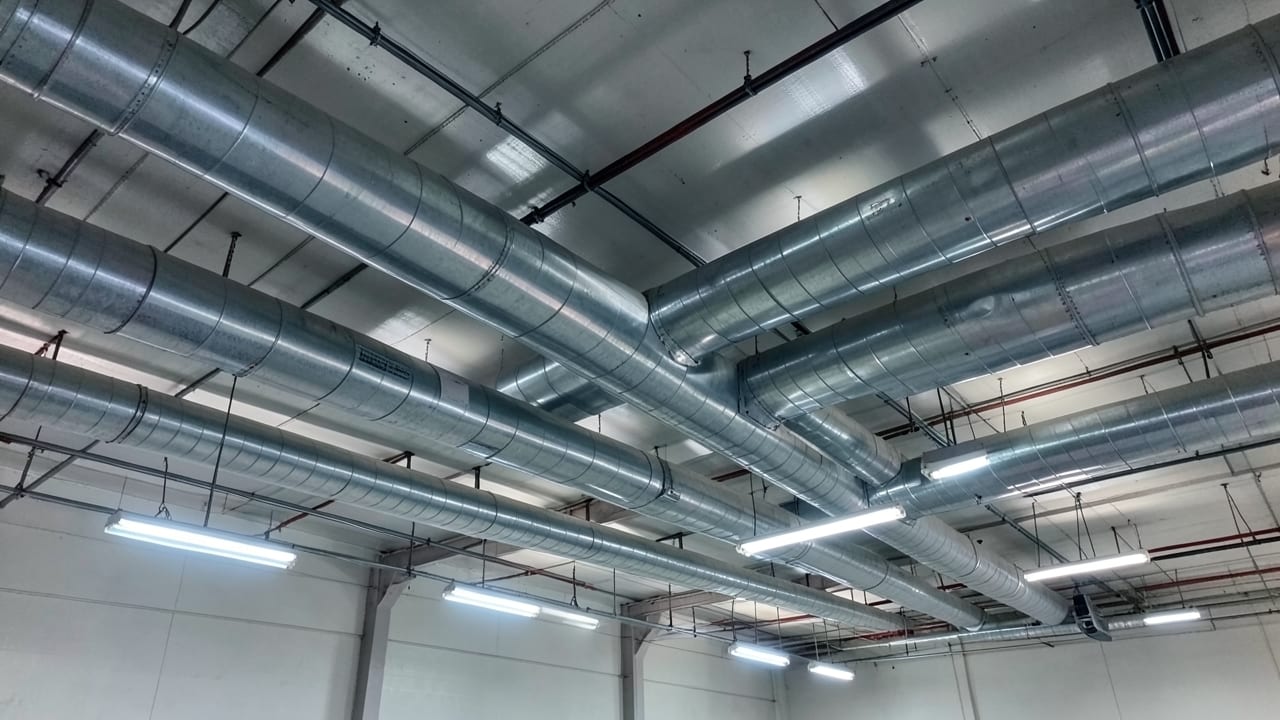
Warehouse Duct Cleaning in Morristown, NJ
Professional cleaning of warehouse air ducts and HVAC systems to improve airflow and indoor air quality.
Learn More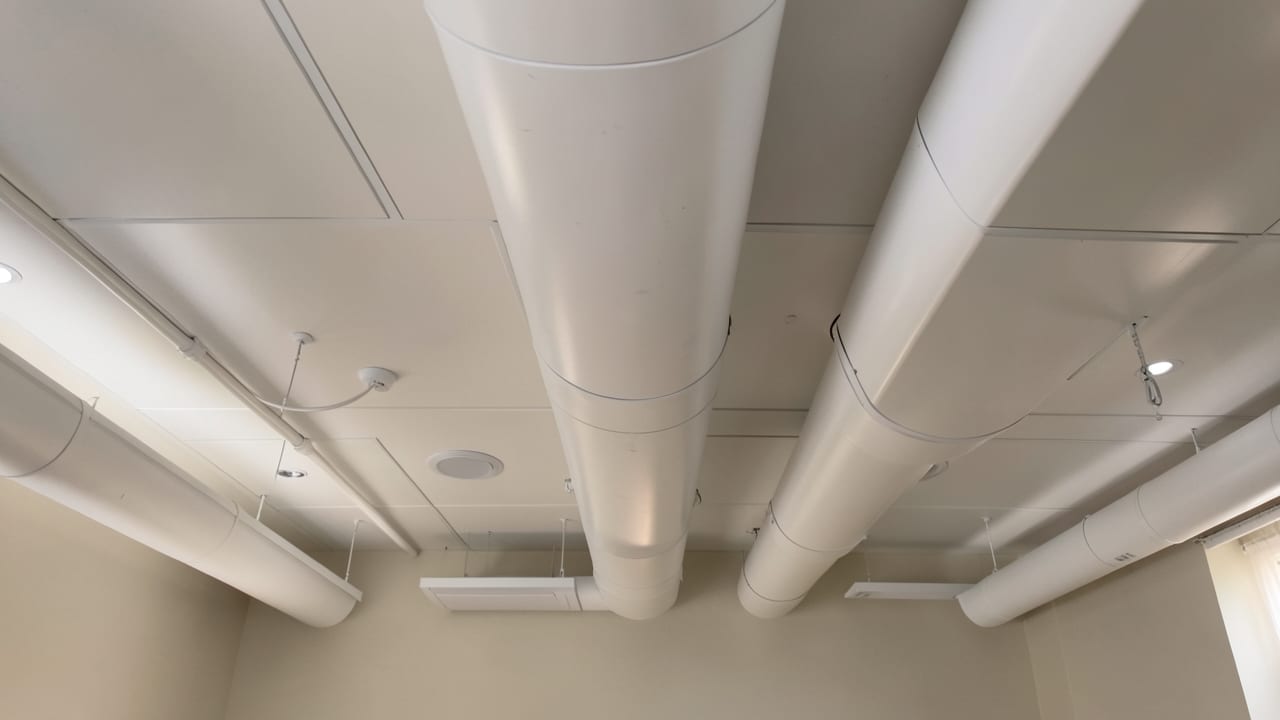
Medical Clinic Duct Cleaning in Morristown, NJ
Professional cleaning of HVAC ducts in medical clinics to improve air quality and system efficiency.
Learn More
Fire Smoke Duct Deodorization in Morristown, NJ
Removal of smoke residue and odors from HVAC ductwork after a fire.
Learn More
Pet Dander Duct Removal in Morristown, NJ
Professional removal of pet dander and allergens from HVAC ductwork to improve indoor air quality.
Learn More
Hard Water Mineral Duct Cleaning in Morristown, NJ
Removal of mineral buildup from HVAC ducts caused by hard water to improve airflow and system efficiency.
Learn More
Wear and Tear Duct Refresh in Morristown, NJ
Professional cleaning of air ducts and HVAC components to remove dust, debris, and contaminants.
Learn MoreCommon Questions About Air Duct Cleaning in Morristown
Everything you need to know about air duct cleaning services in Morristown
How much does Pest Infestation Duct Sanitization typically cost in Morristown, NJ?
What local factors get checked before recommending duct cleaning in Morristown, NJ?
What does an air duct cleaning appointment actually involve, step by step?
Does dirty ductwork actually cause allergy or respiratory symptoms?
Can air ducts be cleaned with a household vacuum instead of hiring it out?
Is duct cleaning ever covered by a home warranty or insurance policy?
Need Air Duct Cleaning in Morristown?
Get a written quote from our Morristown crew.
⏰ We answer your call • Serving all of Morristown and surrounding areas