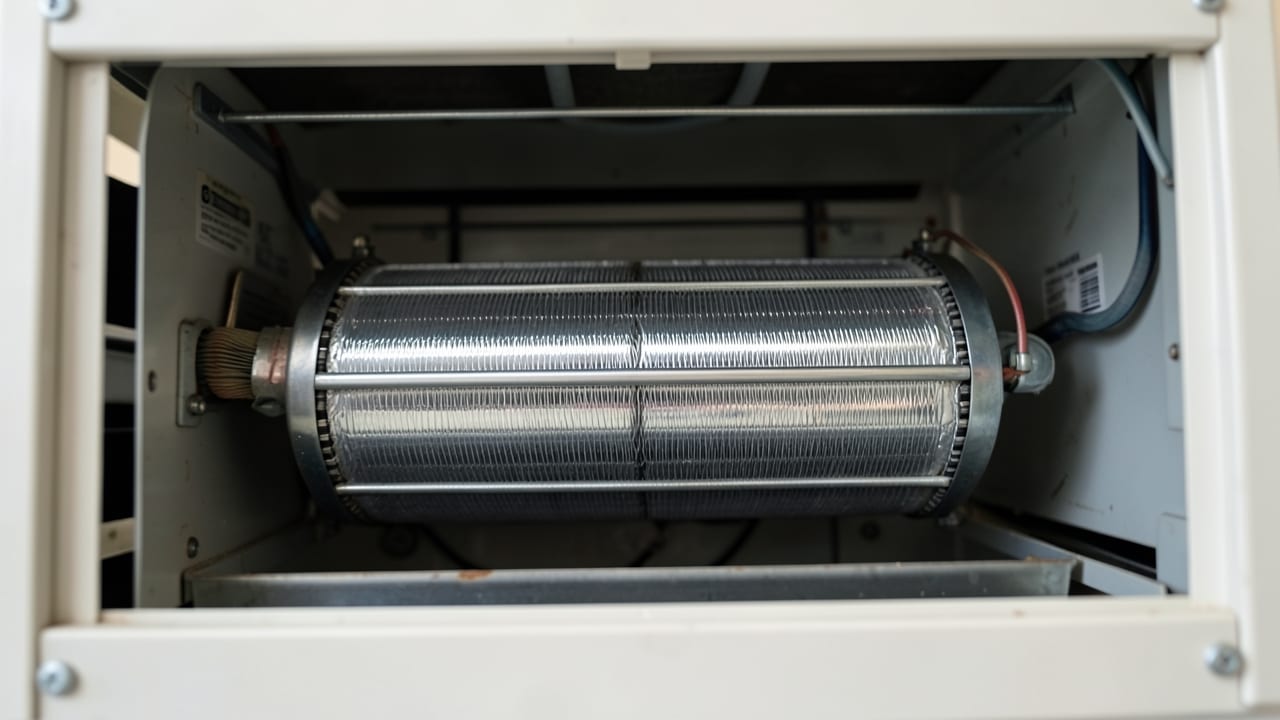
Evaporator Coil Cleaning
Professional cleaning of HVAC evaporator coils to remove dirt, dust, and debris for improved airflow and efficiency.
Evaporator coil cleaning in Morristown, NJ, targets the indoor component of your HVAC system where heat exchange happens. Over time, dirt, dust, and microbial buildup reduce cooling efficiency, increase energy use, and strain the system.
A thorough cleaning restores airflow and performance by addressing the root of these issues—inside the ductwork and coils themselves—not just surface dust. This service is tailored to private homes in Morristown and surrounding areas like Madison and Randolph, where older homes or pets can accelerate buildup.
We also handle Pet Dander Duct Removal and Hard Water Mineral Duct Cleaning for Morristown properties.
Why your Morristown home might need this service
Ductwork and evaporator coils in Morristown homes often show problems indirectly. A visible puff of dust when your AC first turns on, or dust resettling on furniture within days of cleaning, suggests debris is still circulating.
A musty smell that fades once the system shuts off points to microbial growth inside the ducts, not just a general odor. Rooms near supply vents collecting dust faster than others may have active delivery of particulate from the ducts themselves.
Signs Your Evaporator Coil or Ducts Need Cleaning
- A fine gray film or quick buildup at supply or return registers, especially after wiping them clean.
- Dust appearing within days in rooms near supply vents, faster than in other areas of the house.
- A musty or stale smell while the HVAC system runs, but not when it’s off.
- Reduced airflow from vents, or uneven cooling across different rooms.
- Increased energy bills without a clear explanation, often linked to a struggling HVAC system.
What affects pricing and how often cleaning is needed
Pricing for evaporator coil cleaning in Morristown varies based on the scope of work, not just the size of your home. In-place cleaning of a typical 2-3 ton residential system usually falls between $110 and $430, while removing and deep-cleaning the coil can run $400 to $700.
The method used—negative-pressure HEPA vacuum with agitation versus a shop-vac at vents—also impacts cost and effectiveness. How often cleaning is needed depends on household factors like pets, air filter changes, and duct sealing, not a fixed schedule.
Common mistakes that undermine the cleaning
Skipping register sealing during cleaning lets dislodged dust blow back into living spaces instead of being captured. Aggressive brushing in flexible duct sections can disconnect joints, sending conditioned air into walls or attics.
Overusing moisture-based treatments without proper drying creates conditions for new microbial growth. These oversights don’t just reduce effectiveness—they can turn a cleaning into a setup for future problems.
Dust escaping through unsealed registers spreads the material the service was meant to remove. Disconnected flex ducts during agitation may go unnoticed, redirecting airflow into walls. Excess moisture or biocide misuse can promote new microbial growth inside ducts, negating the cleaning’s benefits.
How evaporator coil cleaning works in your Morristown home
- 1System Inspection
A camera or mirror inspection identifies where dust, debris, or biological growth is concentrated in supply and return runs. This step ensures cleaning is targeted to the worst-affected areas, not just a blanket approach.
- 2Register Sealing and Negative-Pressure Setup
Supply and return registers not being worked on are sealed off, and a negative-pressure collection unit is connected. This pulls dislodged dust into a HEPA-filtered system instead of blowing it back into the house.
- 3Mechanical Agitation
Rotary brushes or compressed-air whips agitate duct walls to loosen compacted dust. This step is critical—suction alone can’t remove dust that’s settled and hardened over years.
- 4HEPA Vacuum Extraction
Dislodged material is captured on-site by a HEPA-filtered vacuum, preventing fine particulate from re-entering the living space through return air.
- 5Register and Diffuser Cleaning
Each supply and return register, grille, and diffuser is removed and cleaned separately, as these surfaces accumulate different types of buildup than deeper ductwork.
Frequently asked questions
How will I know if the cleaning actually worked?
Airflow at several registers is checked before and after cleaning to confirm improvement. A puff of dust when the system first turns on or dust resettling quickly may indicate lingering issues, but improved circulation and reduced musty odors are typical signs of success.
Can I do anything between cleanings to slow down dust buildup?
Changing air filters every 1–3 months and sealing gaps where ducts connect to registers or join in unfinished spaces reduces how much dust enters the system. Routine vacuuming of registers and grilles also helps keep surface dust from being pulled back in.
What should I look for in a quote to ensure I’m comparing apples to apples?
Check if the price is flat-rate, per-vent, or per-register, and whether it includes main trunk lines, HVAC coils, and blower cleaning. Confirm if negative-pressure HEPA vacuum extraction is used and if a before-and-after inspection is provided to verify debris removal.
Why does my HVAC system seem to get dirty faster after cleaning?
Dust buildup depends more on what feeds new particulate into the system—like clogged filters or unsealed ducts—than the cleaning itself. A single recommended interval doesn’t fit all homes; factors like pets, air quality, and maintenance habits play a bigger role.
Where Morristown sits, and what the Census lists nearby
Morristown sits in New Jersey, and the closest places listed in the U.S. Census Gazetteer are Cedar Knolls (1.9 miles northeast), Morris Plains (2.9 miles north), Whippany (3.6 miles northeast), New Vernon (4 miles south).
Within 25 miles of Morristown the same source lists 236 distinct incorporated places and census-designated places.
Those figures matter for evaporator coil cleaning because they are straight-line distances between Census coordinate points: road mileage between Morristown and Cedar Knolls runs longer than the 1.9 miles shown, which is why quotes for the same job differ between towns that look close together on a map.
Source: U.S. Census Bureau Gazetteer.
See Florham Park, NJ for more, or browse every option available in Morristown in one place for our complete lineup.
Ready to get started?
Talk to a local air duct cleaning pro in Morristown — get a written quote.
Other Air Duct Cleaning Services in Morristown
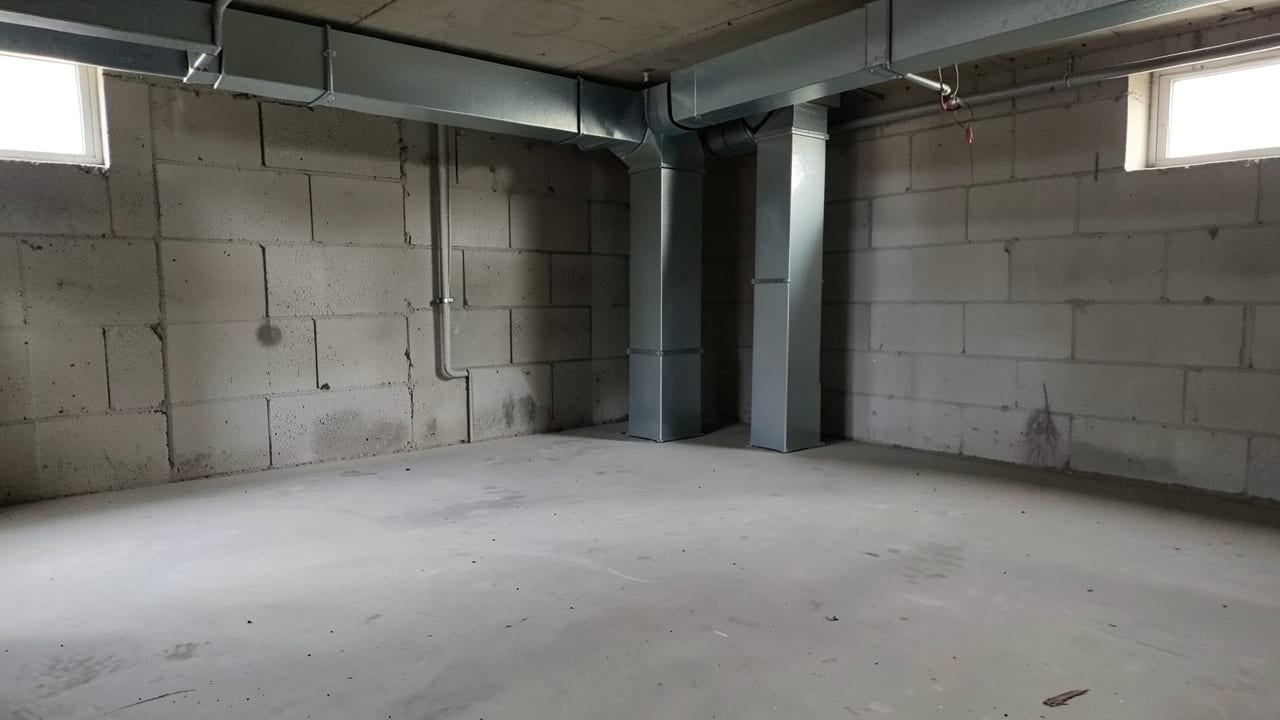
Pet Dander Duct Removal in Morristown, NJ
Professional removal of pet dander and allergens from HVAC ductwork to improve indoor air quality.
Learn More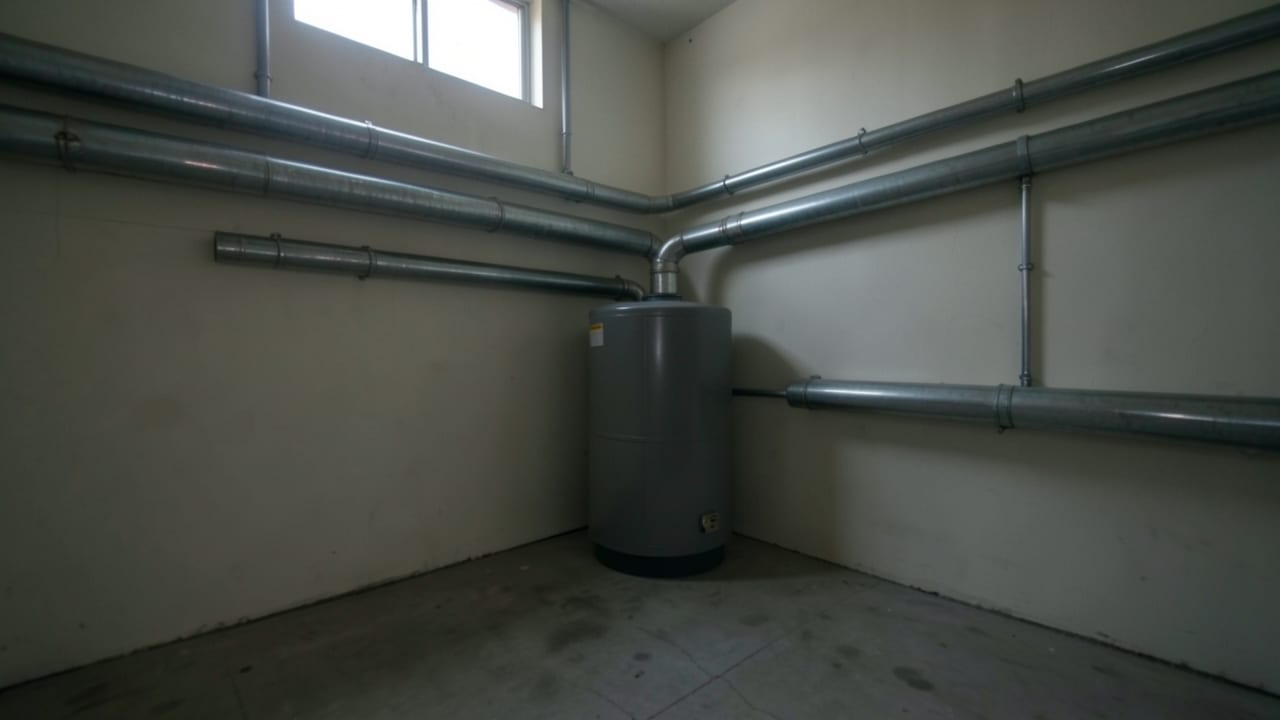
Hard Water Mineral Duct Cleaning in Morristown, NJ
Removal of mineral buildup from HVAC ducts caused by hard water to improve airflow and system efficiency.
Learn More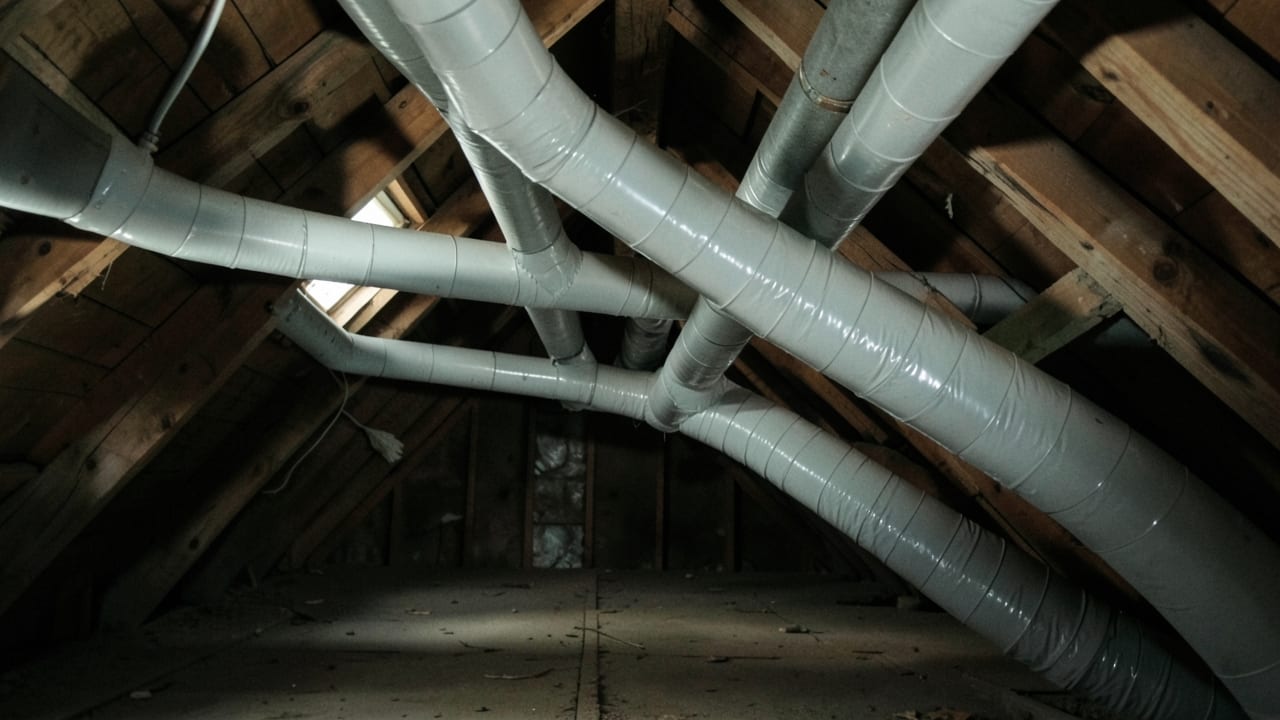
Pest Infestation Duct Sanitization in Morristown, NJ
Professional cleaning and sanitization of air ducts to remove pest infestations and contaminants.
Learn More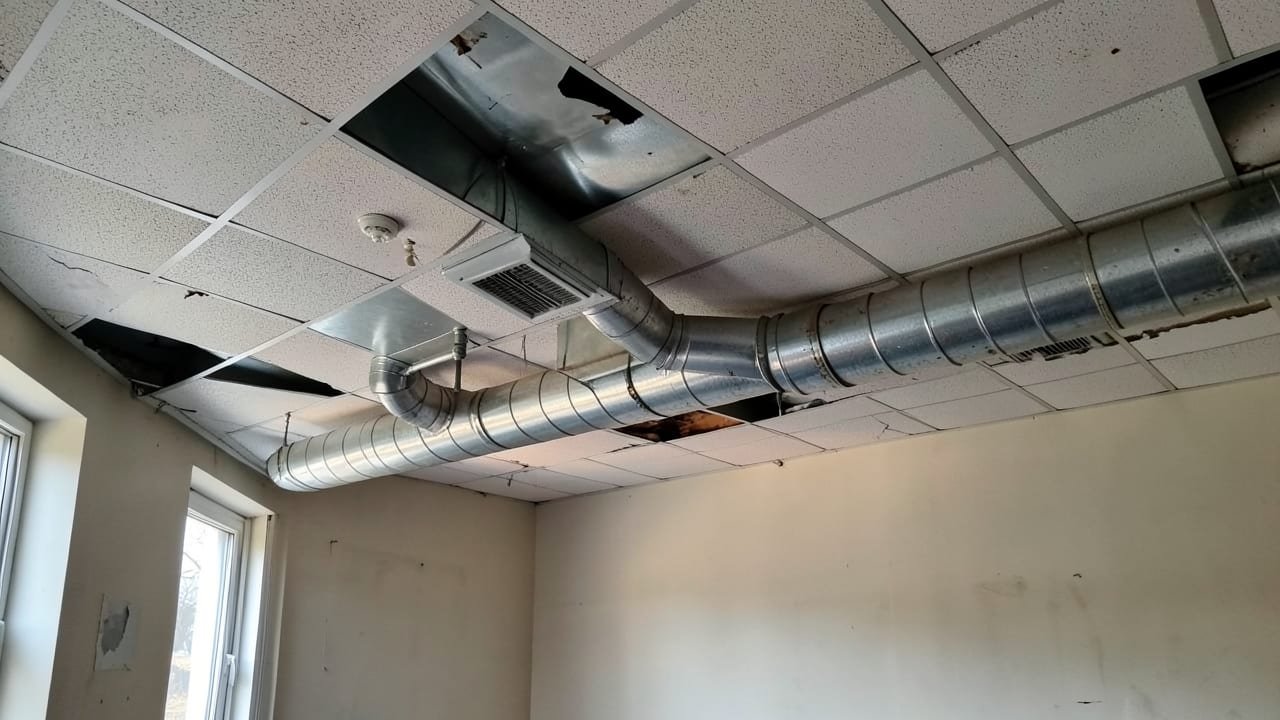
Wear and Tear Duct Refresh in Morristown, NJ
Professional cleaning of air ducts and HVAC components to remove dust, debris, and contaminants.
Learn More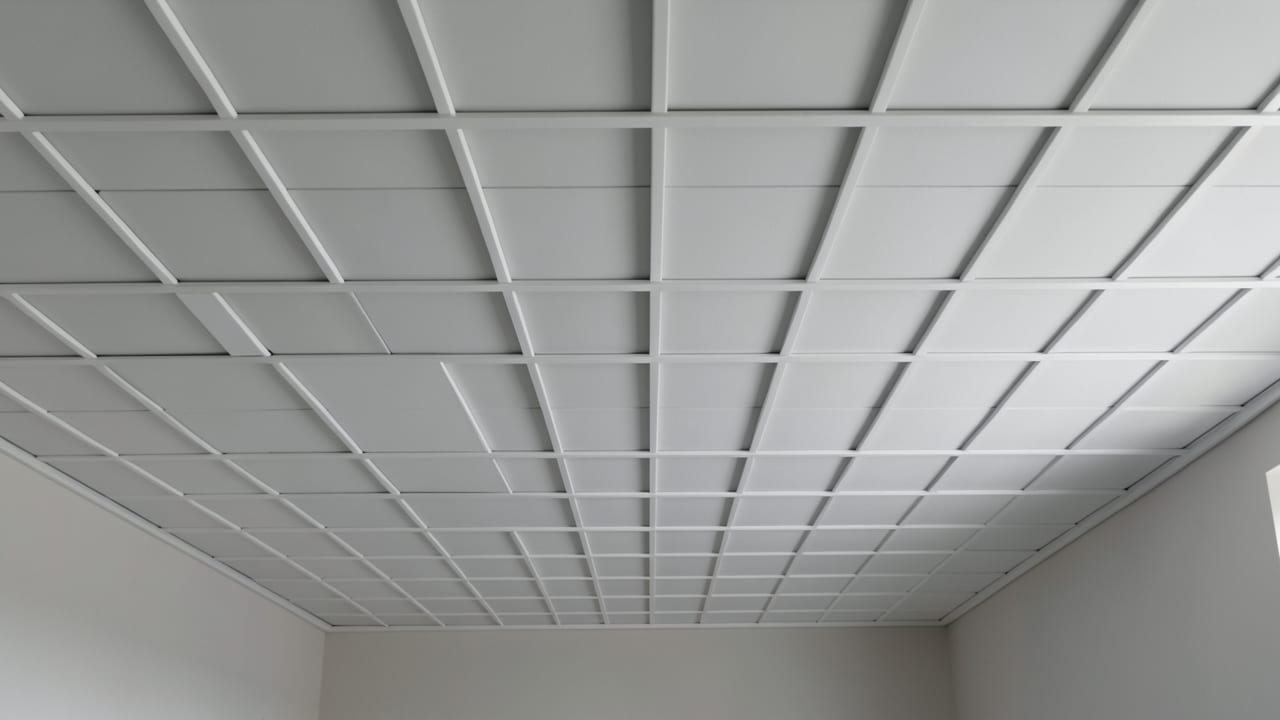
Move-In Duct Sanitization in Morristown, NJ
Professional cleaning and sanitization of air ducts in a new home before move-in.
Learn More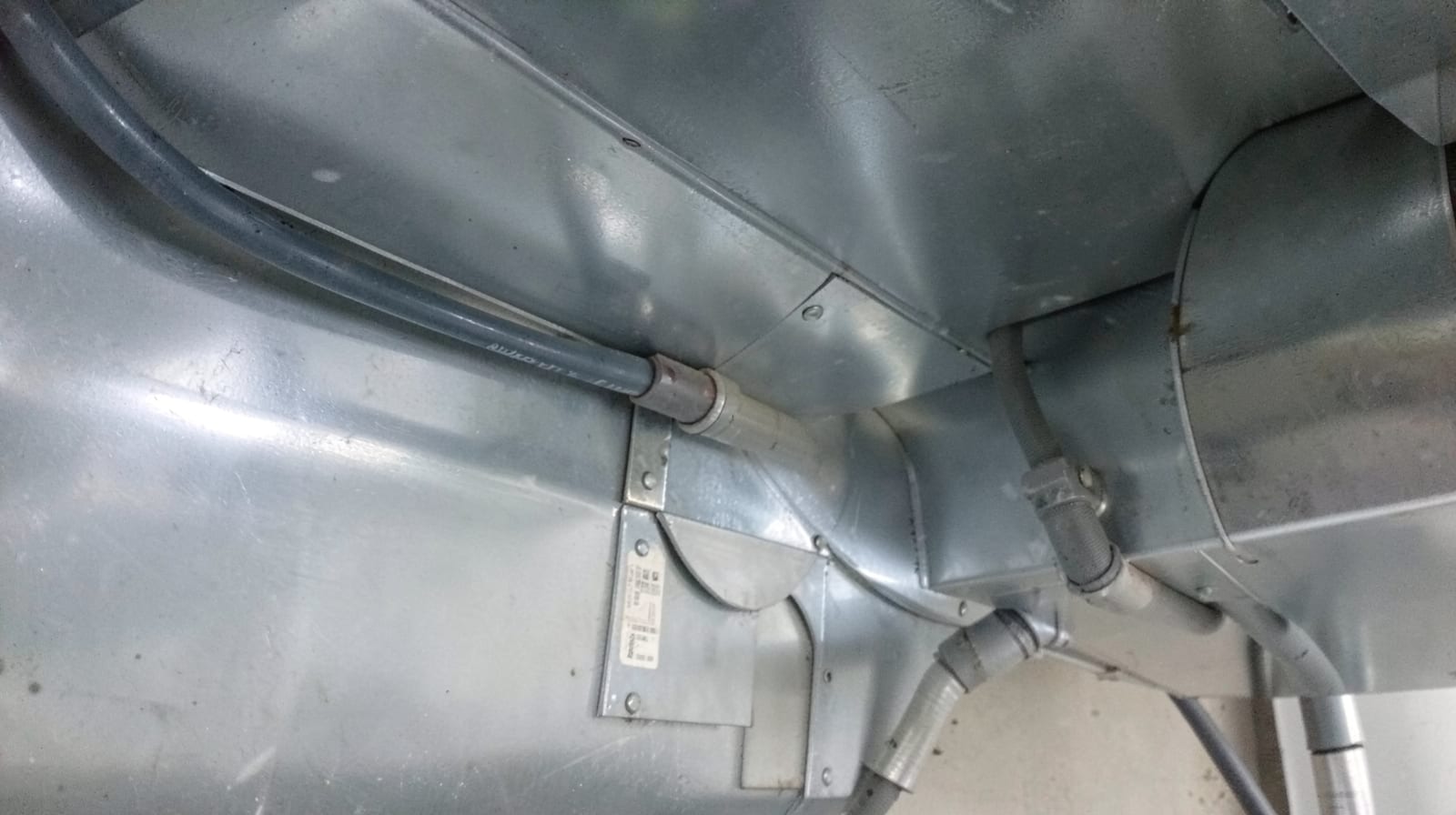
Air Duct Cleaning in Morristown, NJ
Whole-system air duct cleaning in Morristown, NJ — removes furnace debris and condensation from supply and return ductwork using NADCA-standard negative-air-pressure equipment.
Learn MoreCommon Questions About Air Duct Cleaning in Morristown
Everything you need to know about air duct cleaning services in Morristown
How much does Evaporator Coil Cleaning typically cost in Morristown, NJ?
What local factors get checked before recommending duct cleaning in Morristown, NJ?
Can duct cleaning damage older or fragile ductwork?
Does duct cleaning include the coils and blower compartment, or only the ducts themselves?
What's the real difference between flat-rate and per-vent air duct pricing?
How often should air ducts actually be cleaned?
Need Air Duct Cleaning in Morristown?
Get a written quote from our Morristown crew.
⏰ We answer your call • Serving all of Morristown and surrounding areas