Why HEPA Filtration Is Non-Negotiable for Air Duct Cleaning in Morristown
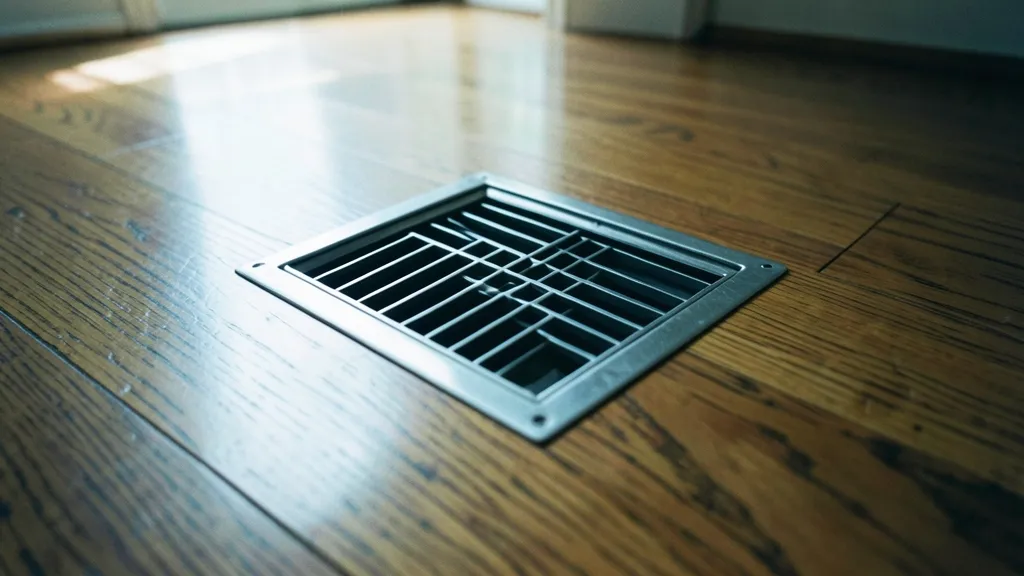
Most homeowners don’t realize their ductwork can harbor years of dust, pollen, and even mold. Without HEPA filtration during cleaning, those contaminants just get redistributed—defeating the purpose entirely. We use medical-grade filtration to ensure nothing escapes back into your Morris County home.
What HEPA Filtration Actually Does in Duct Cleaning
HEPA stands for High-Efficiency Particulate Air, and true HEPA filters capture 99.97% of particles as small as 0.3 microns. That includes dust mites, pet dander, and even some bacteria—critical in a high-pollen area like ours.
During cleaning, our vacuums pull debris from your ducts through multiple HEPA stages. Without this, fine particulates bypass the system and settle right back into your living spaces.
Morristown’s Seasonal Allergens Demand Better Filtration
Spring brings tree pollen, fall brings ragweed, and winter means sealed-up homes trapping it all inside. HEPA filtration ensures these allergens are removed—not just stirred up—during duct cleaning.
Neighboring areas like Madison and Randolph face the same seasonal challenges. A standard vacuum won’t cut it when microscopic spores are the culprit.
Schedule duct cleaning in early spring or late fall—before peak pollen seasons hit. Pair it with HVAC coil cleaning to maximize air quality improvements.
HEPA vs. Standard Filtration: The Real Differences
Not all duct cleaning systems are equal. Standard filters may catch visible dust, but they miss the fine particles that trigger allergies and respiratory issues.
| Feature | Standard Filtration | HEPA Filtration |
|---|---|---|
| Particle Capture (0.3 microns) | 10-40% | 99.97% |
| Allergen Removal (pollen, pet dander) | Partial | Near-Total |
| Mold Spore Containment | Minimal | High |
| Bacteria & Virus Filtration | None | Significant |
| Equipment Cost | Lower | Higher (but worth it) |
The Hidden Risks of Non-HEPA Duct Cleaning
Without HEPA, cleaned ducts can actually worsen indoor air. Fine dust and mold spores become airborne, settling on furniture, beds, and even in your HVAC coils.
We’ve seen cases in Morris Township where post-cleaning air quality tests showed *higher* particulate counts after non-HEPA methods. That’s a step backward, not forward.
Some companies use high-pressure air to dislodge debris but lack proper containment. This can turn your home into a dust storm. Always ask about HEPA filtration.
How HEPA Works with Negative Air Pressure Systems
Our trucks mount powerful HEPA vacuums that create negative air pressure in your ductwork. This ensures contaminants are pulled *toward* the filter, not pushed into your home.
The system seals around vents and returns, so even stubborn debris in flex ducts or hard-to-reach trunk lines gets captured. No shortcuts, no exceptions.
When HEPA Filtration Isn’t Enough (And What to Do Next)
For severe mold or bacterial growth, HEPA alone may not suffice. That’s where UV light sanitization or mold treatment comes in—often needed in older homes or after water damage.
We frequently combine HEPA duct cleaning with coil cleaning in Parsippany and Morris Plains, where humid summers can lead to microbial growth in HVAC systems.
Signs You May Need More Than HEPA Cleaning
- Visible mold in vents or on coils
- Musty odors persisting after cleaning
- Unexplained respiratory issues among occupants
- Recent water damage near ductwork
Commercial Spaces: Why HEPA Matters Even More
Offices, schools, and medical facilities in Morristown have higher occupancy and stricter air quality needs. HEPA filtration ensures compliance with ASHRAE standards and protects sensitive populations.
Commercial duct systems are larger and often more contaminated. We use industrial-grade HEPA units to handle the volume without compromising filtration efficiency.
How to Verify Your Duct Cleaning Service Uses True HEPA Filtration
Not all companies advertise HEPA honestly—here’s how to confirm.
- 1Ask for the Filter Specs
Request the exact HEPA filter model and its MERV rating. True HEPA filters are MERV 17 or higher. Anything less isn’t sufficient for duct cleaning.
- 2Inspect the Equipment
HEPA duct cleaning systems have sealed units with visible filter housings. If the vacuum looks like a shop vac, it’s not HEPA.
- 3Check for Negative Air Containment
The system should create a vacuum seal at each vent. Watch for hoses connected to a centralized HEPA unit, not just a portable filter.
- 4Ask About Disposal Protocols
HEPA filters must be replaced or cleaned between jobs to prevent cross-contamination. A reputable service will have a process for this.
- 5Request Air Quality Testing
Post-cleaning tests (like particle counters) can verify the system’s effectiveness. Some companies offer this as an add-on service.
Frequently Asked Questions
Does HEPA filtration add a lot to the cost of duct cleaning in Morristown?
HEPA-equipped systems are more expensive to operate, but the cost difference is offset by the health benefits. Factors like duct size, contamination level, and access complexity affect pricing more than filtration type. Request a quote for an accurate estimate.
How often should I get my ducts cleaned with HEPA filtration?
Every 3–5 years is typical for most homes, but pet owners, allergy sufferers, or homes in high-pollen areas like Morris Township may need it every 2–3 years. After renovations or water damage, clean immediately.
Can HEPA duct cleaning remove mold spores completely?
HEPA captures nearly all airborne mold spores, but it won’t kill mold embedded in duct materials. For active growth, we recommend combining HEPA cleaning with mold treatment or UV sanitization.
Is HEPA filtration necessary for dryer vent cleaning?
Dryer vent cleaning focuses on lint removal, which is larger than HEPA’s target particles. However, we still use high-efficiency filtration to capture fine dust and prevent it from re-entering your home.
Do newer homes in Morristown need HEPA duct cleaning less often?
Newer homes can still accumulate dust and allergens, especially with tight construction trapping contaminants inside. HEPA cleaning is just as important—sometimes more so, given modern homes’ reduced natural ventilation.
What’s the difference between HEPA and ‘HEPA-like’ filters?
'HEPA-like’ or ‘HEPA-type’ filters don’t meet the 99.97% efficiency standard. True HEPA is the only filter rated for medical and industrial air purification, which is why we use it exclusively.