The Hidden Health Risks of Neglected Air Ducts in Morristown Homes
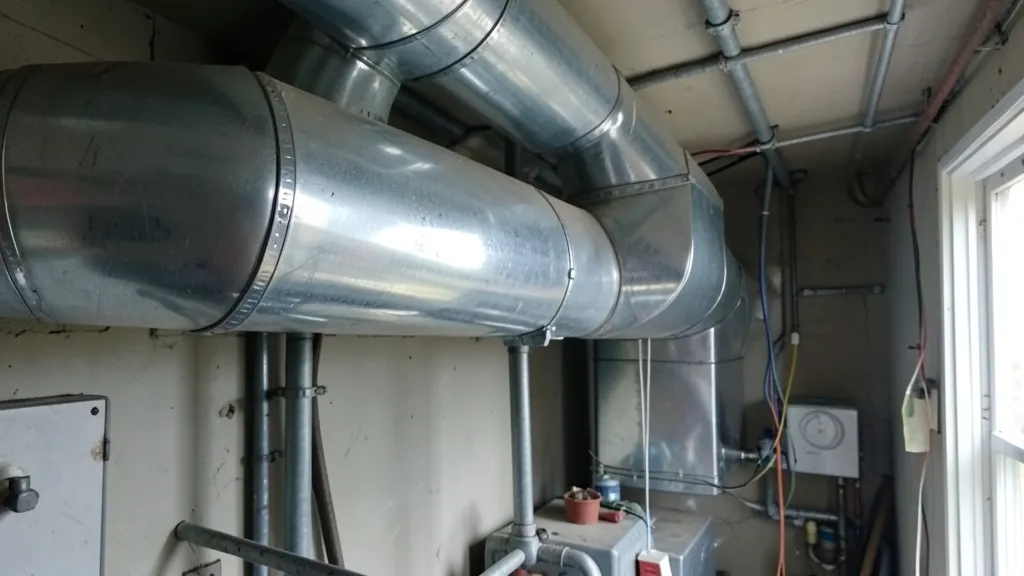
Morristown’s humid summers and cold winters put unique stress on HVAC systems, turning neglected air ducts into breeding grounds for contaminants. Left unchecked, these hidden networks can circulate allergens, mold, and even bacteria straight into your living spaces—compromising health long before you notice the problem.
Why Morristown’s Climate Makes Duct Cleaning Non-Negotiable
Our region’s swing from freezing winters to sweltering, humid summers creates ideal conditions for moisture buildup inside ductwork. That dampness fuels mold and mildew growth, especially in older homes with poorly sealed systems.
Pollen from Morris County’s dense greenery also infiltrates ducts, while winter heating cycles stir up settled dust. Without regular cleaning, these contaminants recirculate year-round, worsening indoor air quality.
The Top 5 Health Risks Hiding in Your Ducts
Allergens like dust mites, pet dander, and pollen collect in ducts and trigger chronic sneezing, itchy eyes, and respiratory flare-ups. Families in Morris Township and Morris Plains often report relief after professional cleaning.
| Contaminant | Source | Health Risk |
|---|---|---|
| Mold spores | Moisture from humidity or leaks | Respiratory infections, asthma attacks, chronic sinusitis |
| Dust mites | Accumulated household dust | Allergic rhinitis, eczema flare-ups |
| Bacteria (e.g., Legionella) | Stagnant water in ducts or coils | Legionnaires’ disease, severe pneumonia |
| VOCs | Off-gassing from cleaning products, new furniture | Headaches, nausea, long-term organ damage |
| Pet dander | Pets shedding near vents | Allergic reactions, asthma symptoms |
Who’s Most at Risk in Your Household?
Children, the elderly, and anyone with asthma or immune disorders face the highest risks from poor indoor air. Their developing or weakened systems struggle to filter out fine particulates circulating through dirty ducts.
Even healthy adults in Randolph or Madison may experience unexplained fatigue, headaches, or persistent cold-like symptoms—often linked to long-term exposure to contaminated air.
Unexplained coughing, worsening allergies, or musty odors when the HVAC runs are clear signs your ducts need inspection. Don’t wait for visible mold—by then, the problem has spread.
How Contaminants Spread Through Your HVAC System
Every time your furnace or AC kicks on, it pulls air through return ducts, past the filter, and over the evaporator coil. If ducts are dirty, those contaminants bypass the filter and get redistributed through supply vents.
In homes with flex ducts or fiberglass duct board, cracks or gaps can also pull in unfiltered air from attics or crawl spaces—common in older Morristown properties. That’s why we always inspect for leaks during cleaning.
Duct Cleaning vs. DIY Fixes: What Actually Works
Vacuuming vents or replacing filters helps, but it won’t reach deep into the system where mold and debris accumulate. Professional tools like high-powered vacuums and rotating brushes dislodge buildup from every inch of ductwork.
For severe cases, we often pair duct cleaning with UV light sanitization or mold treatment to ensure contaminants don’t return. Commercial properties in Parsippany use these methods to meet stricter IAQ standards.
Signs Your Ducts Need Professional Attention
- Visible dust or debris blowing from vents
- Musty or stale odors when HVAC runs
- Uneven heating/cooling between rooms
- Increased allergy or asthma symptoms indoors
- No record of duct cleaning in the past 3–5 years
The Role of Related Services in Long-Term Air Quality
Dirty dryer vents, for example, don’t just pose a fire risk—they can also pump lint and moisture into your duct system. That’s why we recommend bundling dryer vent cleaning with duct maintenance, especially in tightly sealed homes.
HVAC coil cleaning is another critical step. A dirty evaporator coil reduces efficiency and becomes a magnet for mold. In Morris Plains, where humidity spikes in summer, clean coils prevent costly repairs and health hazards.
If you have pets, schedule duct cleaning every 2–3 years. Pet hair and dander clog filters faster and stick to duct walls, requiring more frequent attention than the standard 3–5 year interval.
What to Expect During a Professional Duct Cleaning
Our team starts with a thorough inspection using cameras to assess contamination levels and identify leaks or damage. This step is critical in older Morristown homes with aging ductwork.
We then seal off the system, use HEPA-filtered vacuums to capture debris, and agitate duct surfaces with brushes or air whips. For mold or bacterial issues, we apply EPA-approved treatments to sanitize the system.
How to Check Your Ducts for Contamination
A quick at-home inspection can reveal whether your ducts need professional attention.
- 1Remove and Inspect Vent Covers
Unscrew a few supply and return vent covers. Use a flashlight to look for dust buildup, mold spots, or debris. If you see a thick layer, it’s time for a cleaning.
- 2Run the HVAC and Observe
Turn on the system and stand near the vents. If you see dust or debris blowing out, or smell musty odors, contaminants are circulating through your home.
- 3Check for Uneven Airflow
Walk through each room and note if some vents have weak airflow. Blockages or buildup in the ducts often cause this imbalance.
- 4Inspect the Air Filter
A clogged filter is a red flag. If it’s gray or black within a month of replacement, your ducts are likely contributing to rapid recontamination.
- 5Look for Visible Mold
Check around vents, duct seams, and the HVAC unit for dark spots or fuzzy growth. Mold in ducts requires immediate professional remediation.
Frequently Asked Questions
Can dirty air ducts make my allergies worse?
Absolutely. Dust mites, pollen, and pet dander trapped in ducts get recirculated every time your HVAC runs, triggering allergic reactions. Many Morristown residents see allergy symptoms improve dramatically after a thorough duct cleaning.
How often should I clean my air ducts in a humid climate like New Jersey’s?
In our region, we recommend every 3–5 years for average households. But if you have pets, allergies, or notice musty odors, aim for every 2–3 years. High humidity accelerates mold and mildew growth in ductwork.
Is duct cleaning necessary if I replace my HVAC filters regularly?
Filters catch larger particles, but they don’t stop fine dust, mold spores, or bacteria from settling in the ducts. Over time, this buildup reduces airflow and air quality—even with fresh filters. Think of cleaning as a deep reset for your system.
What’s the difference between air duct cleaning and HVAC coil cleaning?
Duct cleaning focuses on the network of ducts carrying air, while coil cleaning targets the evaporator and condenser coils in your HVAC unit. Both are essential: dirty coils reduce efficiency and can harbor mold, while dirty ducts spread contaminants.
Do newer homes in Morris Township need duct cleaning less often?
Not necessarily. Newer homes are often more airtight, which can trap contaminants inside. Plus, construction dust and debris from building materials can linger in ducts if not properly cleaned post-construction.
Can duct cleaning help with strange odors in my home?
Yes—musty, stale, or burning smells often originate from mold, bacteria, or accumulated debris in the ducts. Professional cleaning, sometimes paired with sanitization treatments, can eliminate these odors at the source.